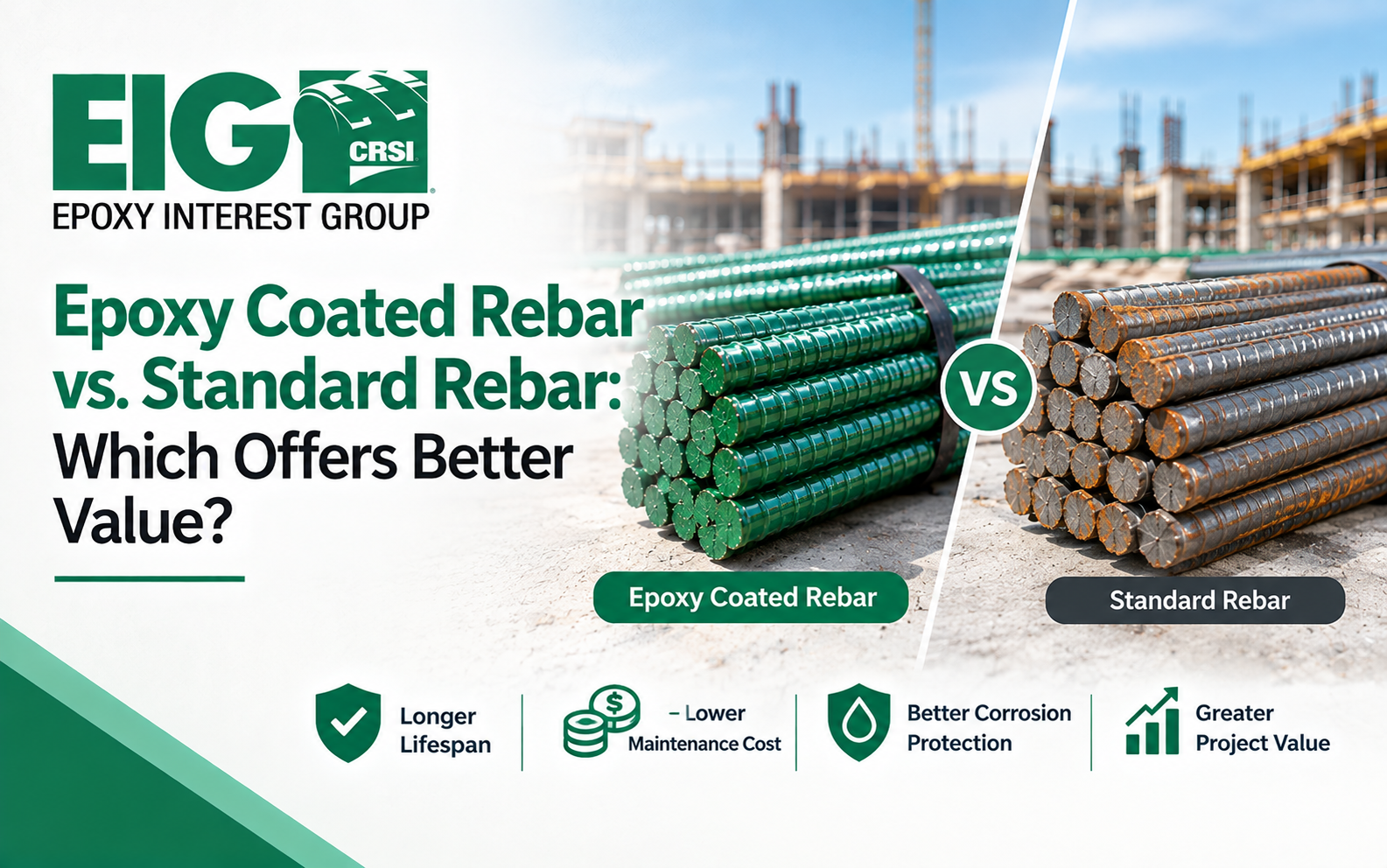

Selecting concrete project reinforcement requires more than checking the purchase price. Total budget depends on the steel quality used, the site, and future repair costs. Standard rebar is the most widely used rebar, but epoxy coated steel rebars can provide protection against corrosion in adverse environments (if moisture and salts are corrosive to steel).
Knowing the cost variance can allow both hard-scape contractors and project owners to make a two-of-a-kind decision.
Why Do the Prices Differ?
Since there is no extra coating process, standard rebar is generally less expensive to purchase. The cost of epoxy coated rebar is also higher because it involves the necessary raw materials, application of coating, and quality checks to protect the surface of steel.
Final price depends on bar size, grade/quantity of the order/supplier and delivery location. There are quotes based on the coating requirements and project specifications.
See also: How to Choose the Right Sauna Heater Size for Your Space
Look Beyond the Initial Cost
Even when comparing standard vs epoxy coated rebar prices, it is important to take into account the life expectancy and long-term performance of every bar over the service life of that specific structure.
Standard rebar is adequate for projects with low corrosion risk and proper concrete protection. Conversely with the epoxy coated rebar it can be beneficial as in structures subject to exposure from road salt, moisture, or coastal conditions.
When you need repairs caused by corrosion, the up-front price might be worth it. However, savings are not guaranteed. These depend on exposure condition, design quality, installation, and maintenance requirements.
Which Factors Affect Your Budget?
One last thing you may want to look up before taking quotes is the following bits, it can all change the final price.
- Quantity and bar size: Larger orders and dimensions differ in cost compared to thinner bars.
- Specification and inspection requirements: Product specification and its inspections will impact pricing.
- Transport and handling: Coated bars need to be handled more carefully than uncoated ones.
- Coatings could be time and price-consuming: If you need to repair an area earlier than establishment.
- Predictable lifecycle: Discuss the future maintenance when discussing budgets.
Request itemized quotes from suppliers to level the playing field between products. Validate that each element meets the engineering requirements for the project.
Make a Cost-Based Decision
Whenever you settle for the lowest purchase price, it may not necessarily show to be of the most effective value within the lengthy-run. Standard rebar may work for many projects and epoxy coated rebar offers additional corrosion protection during harsher conditions.
Check the site visibility, anticipated upkeep expense, and obligated service life before selecting. Only a qualified engineer can help determine which reinforcement best serves those design requirements.