Newsletter Subscribe
Enter your email address below and subscribe to our newsletter
Enter your email address below and subscribe to our newsletter

 ByJohn A
Stores increasingly accept digital payments through card networks, digital wallets, and QR-based methods managed by secure merchant accounts and gateways. The checkout flow captures data, obtains authorization, and settles funds, with tokenization and access controls protecting sensitive information. Contactless and QR options speed transactions, while compliance and risk assessments govern privacy and vendor due diligence. A balanced mix impacts conversion and loyalty, but choosing the right combination requires careful consideration of customer preferences and operational risk—and that choice may redefine the checkout experience.
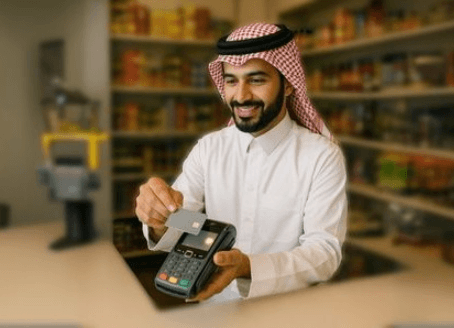
Stores commonly accept a mix of physical and digital payment methods, with consumer preference and regional availability shaping which options appear at checkout. The landscape includes digital wallets and contactless cards processed through merchant accounts, supported by robust payment gateways.
Systems prioritize security, speed, and interoperability, enabling merchants to optimize acceptance across channels while maintaining control over fees, reconciliation, and settlement timelines.
At checkout, the payment flow integrates card, wallet, and QR methods through a standardized sequence that begins with data capture, proceeds to authorization, and ends with settlement.
Digital wallets streamline mobile prompts; QR payments map quick scans to accounts.
Card networks ensure interoperability, while tap to pay accelerates contactless transactions, reducing friction and clarifying merchant settlement timelines for retailers and customers alike.
Security and compliance form the backbone of reliable digital payments for retailers. Standards in data privacy govern how customer data is collected, stored, and used, reducing risk and building trust. Practical controls include tokenization standards, access governance, and regular risk assessments.
Compliance frameworks guide incident response, audits, and vendor due diligence, ensuring transparent, auditable operations without hindering innovation or freedom to compete.
Selecting an appropriate mix of payment methods requires balancing customer preferences, cost, and operational risk; data shows that offering a diverse, well-curated set can boost conversion, average ticket, and loyalty while containing processing fees and settlement times.
A pragmatic approach aligns with Beacon of loyalty and Staff training standards, guiding vendors toward flexible, secure options that preserve speed, transparency, and customer freedom.
See also: Space Exploration Innovations
Tips handling in digital payments varies: merchants often add suggested gratuity percentages or allow custom amounts; tip data flows to staff apps and payroll, with receipts reflecting gratuity workflows and daily summaries for reconciliation and transparency.
An allegory of a lighthouse keeper explains: digital wallets can work offline briefly via offline wallets and offline payments, but rely on a later sync; most systems require connectivity for full functionality, security, updates, and reconciliation for freedom.
Many merchants do not charge extra fees for digital payments, though some may apply extra charges for cards. The practice varies by provider, region, and merchant policy; customers should verify term specifics before transaction and compare payment options.
Refund processing for mobile payments follows issuer and processor rules, typically requiring documentation and timeframes; chargeback timelines vary by network and region, with customers initiating disputes and merchants responding within defined windows to resolve or deny claims.
Accessibility challenges exist; elderly accessibility and disabled accessibility vary. The data show usable interfaces reduce errors and enable independence, while complex layouts widen gaps. Practically, stores should prioritize clear text, tactile cues, voice options, and consistent navigation.
Stores increasingly offer a balanced mix of card, wallet, and QR payments to maximize conversion. A striking stat: 70% of shoppers are more likely to complete a purchase when their preferred payment method is available at checkout. The conclusion: A data-driven approach—aligning options with customer preference, ensuring secure tokenization, and streamlining the checkout flow—drives loyalty and revenue. Practical takeaway: continuously monitor method adoption, costs, and risk to refine the payment mix over time.